

 ₹https://clinic.vasaneye.com/hospital-locator/hyderabad/gachibowli/vasan-eye-care-hospital-in-gachibowli-hyderabad--4Ymu3Q/articles/bionic-eyes-technology-benefits-and-future-of-visi--8f212aec-cdd7-46d2-85b3-0c0c6305df44
Vasan Eye Care Hospital, Gachibowli, hyderabad
No 1-73/JH/4/11, Jahnavi Arcade, Beside Chandana Brothers, Gachibowli, hyderabad, telangana - 500032
Request A Call Back
Vasan Eye Care Hospital Social Feeds in Gachibowli, hyderabad
Bionic Eyes: Technology, Benefits and Future of Vision in Gachibowli, Hyderabad
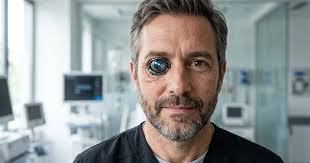
Advances in vision technology are transforming possibilities for people with severe vision loss. A tiny electrode array implanted on the retina, a pair of glasses with a miniature camera, and a small processor working together can help the brain interpret visual information in a completely new way. This is the essence of what we call a bionic eye.
For patients seeking advanced retinal care in Gachibowli, Hyderabad, understanding how bionic eyes work can provide valuable insight into emerging treatment possibilities. The science is real, the hardware is already being used in selected cases around the world, and the field continues to evolve rapidly.
What Is a Bionic Eye?
A bionic eye, in clinical terms, is a retinal prosthesis or visual prosthesis. It is a device that stimulates surviving retinal cells or higher parts of the visual pathway to produce patterns of light the brain can interpret as shapes.
Current systems typically include:
A small camera mounted on glasses
A wearable processor
An electrode array implanted inside the eye or on the retina
A link (wireless or wired) between these components
They do not replace the eye. They bypass the damaged portion of the retina.
Who May Benefit From a Bionic Eye?
Bionic eyes are used, mostly in research and specialist settings, for:
Advanced retinitis pigmentosa
Advanced dry age-related macular degeneration in selected cases
Certain inherited retinal dystrophies
Selected cases of severe optic nerve disease
Selected post-traumatic visual loss
Eligibility depends on:
Type and extent of blindness
Condition of the retina and optic nerve
General health
Ability to handle complex technology
Realistic expectations
Access to specialist post-implant training
How Do Bionic Eyes Work?
The basic workflow for a retinal implant is simple to describe.
A miniature camera on glasses captures the scene
A wearable processor converts the image into electronic signals
Signals are transmitted wirelessly to the electrode array inside the eye
The array stimulates the surviving retinal cells
The retinal cells send signals down the optic nerve
The brain interprets these as simple patterns of light
Over time, with structured training, patients can learn to identify outlines of doors, people, and familiar objects.
Other variants include:
Sub-retinal implants placed below the retina
Epiretinal implants placed on the retina
Suprachoroidal implants placed behind the retina
Cortical visual prostheses that bypass the retina entirely
Can a Bionic Eye Restore Vision Fully?
No, not in current technology. Bionic eyes offer partial restoration, typically enough to:
Detect light and shapes
Identify outlines of objects
Recognise large letters in some cases
Navigate familiar environments with support
Improve independence in daily activities
They do not restore sharp, colourful, high-resolution sight. Patients need structured training to make full use of the device.
Benefits of Bionic Eyes
Partial recovery of light and shape perception
Improved mobility
Greater independence in familiar spaces
Ability to detect movement
Support for navigating doorways, obstacles, and kerbs
Psychological uplift for patients and families
A foundation for future technology upgrades
Limits of Bionic Eyes
Not a cure for blindness
Resolution is still limited
Colour perception is limited or absent
Field of vision is narrow
Requires careful daily use and training
Expensive hardware
Limited availability in many countries
Surgery carries risks
May not suit every form of vision loss
Is the Bionic Eye Available Now?
Certain devices have been approved and used in selected countries and research programmes. Availability in India depends on research collaborations, ethics committee approvals, and specialist centres. If you are interested, the first step is a consultation at an eye specialist hospital with links to retinal specialists.
What Research Is Happening in 2026?
Higher-density electrode arrays
Wireless and miniaturised processors
Artificial intelligence for better image processing
Optogenetic approaches that make retinal cells light-sensitive
Gene therapy alternatives in certain conditions
Cortical implants for those without functional retinas
Improved training systems using virtual reality
Cross-centre trials to expand patient eligibility
The field is advancing fast, but the current capabilities remain modest compared with natural vision.
Who Is Not Suited for a Bionic Eye?
Patients with:
Advanced optic nerve loss that extends beyond the retina
Severe cortical visual pathway damage
Active eye infection or inflammation
Systemic illness that prevents surgery or training
Inability to commit to structured rehabilitation
Children, in most current systems
No clear advantage from the device
How Is the Implant Done?
A specialist retinal surgeon performs the implant. The process typically involves:
Full pre-operative assessment
Discussion of realistic expectations
Counselling for patient and family
Surgery under general or local anaesthesia lasting several hours
Post-operative recovery
Device activation a few weeks later
Structured rehabilitation and visual training
Regular follow-up for adjustments
Supportive eye treatments such as lubricating drops, infection prevention drops, and careful monitoring are part of post-operative care.
Cost and Access
Bionic eye systems are expensive, often well into several lakh to over a crore of Indian rupees, depending on the device, import status, and associated care. Access in India is mostly through specialist centres and research programmes. A full conversation with an experienced retinal specialist helps set realistic expectations before any decision.
Related Approaches Worth Knowing
Gene Therapy
Approved for certain inherited retinal dystrophies caused by RPE65 mutations. More options are emerging.
Stem Cell Research
Investigating replacement of photoreceptor and retinal pigment epithelial cells.
Corneal Transplant and Keratoprosthesis
For blindness caused by corneal damage rather than retinal disease.
Optogenetics
Laboratory techniques making surviving retinal cells light-sensitive through genetic modification.
Smart Glasses and AI Assistants
Not bionic eyes in the strict sense, but AI-powered glasses can guide visually impaired people with scene description, text reading, and navigation.
Each pathway has its own indications and limits, and a specialist matches technology to the patient.
Daily Life With a Bionic Eye
Structured visual training sessions
Learning to interpret patterns as objects
Practising in familiar environments before open ones
Regular device maintenance
Recharging and replacing batteries
Managing glasses and cables
Clinic follow-ups
Family support and encouragement
Results vary widely between patients. Steady, patient training often matters more than the exact device.
When Should You See a Doctor?
Book a consultation if you:
Have advanced retinitis pigmentosa or late-stage macular degeneration
Are interested in bionic eye options
Want to know if you qualify for clinical trials
Are considering gene therapy or related approaches
Need rehabilitation for severe vision loss
Have a child with an inherited retinal condition
Are looking for realistic expectations before surgery decisions
Bionic Eye Care at Vasan Eye Care
Vasan Eye Care has been looking after patients across India since 2002, now as part of ASG Enterprises. With more than 150 super-speciality centres, 500+ ophthalmologists, and over 5,000 trained eye care staff, the network has active retinal care, diagnostic imaging, and coordination with research and specialist centres.
The team can evaluate eligibility for advanced retinal interventions and refer patients to partner institutions for bionic eye procedures or related treatments where appropriate.
Key Takeaways
Bionic eyes are retinal implants that partly restore vision for specific types of blindness.
Current systems provide shape and light perception, not normal sight.
They may benefit people with advanced retinitis pigmentosa and certain macular conditions.
Surgery is specialised, and post-implant training is essential.
Research is advancing rapidly in electrodes, optogenetics, and cortical implants.
Access and cost remain significant considerations.
Conclusion
The future of bionic eye technology offers hope for people living with severe vision loss. While current devices do not restore normal vision, they can improve independence, mobility, and quality of life for selected patients. For individuals in Gachibowli, Hyderabad, consulting experienced retinal specialists can help determine whether emerging technologies such as bionic eyes, gene therapy, or advanced retinal treatments may be suitable options. As research continues to advance, the possibilities for restoring functional vision are becoming increasingly promising.