

 ₹https://clinic.vasaneye.com/hospital-locator/hyderabad/gachibowli/vasan-eye-care-hospital-in-gachibowli-hyderabad--4Ymu3Q/articles/how-to-cure-dry-eyes-permanently-causes-and-lastin--9b1f2a28-50f4-476e-a592-2130f42cc5d3
Vasan Eye Care Hospital, Gachibowli, hyderabad
No 1-73/JH/4/11, Jahnavi Arcade, Beside Chandana Brothers, Gachibowli, hyderabad, telangana - 500032
Request A Call Back
Vasan Eye Care Hospital Social Feeds in Gachibowli, hyderabad
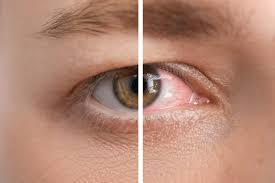
How to Cure Dry Eyes Permanently: Causes and Lasting Relief
Dry eye is one of the most common eye complaints in India today. Long hours on screens, air-conditioned offices, fans blowing on the face, dusty commutes, and chronic diseases like diabetes all contribute. Many patients in Gachibowli, Hyderabad walk into a clinic asking the same practical question: “Can dry eye be cured permanently?”
The honest answer is that dry eye is often a chronic condition, but with the right structured care it can be controlled to the point where it no longer disturbs daily life. This guide walks you through the realistic path to lasting relief and effective dry eye treatment.
What Is Dry Eye?
Dry eye disease happens when the tear film, the thin film of tears covering the eye surface, becomes unstable. It may be due to:
Not enough tear production (aqueous-deficient dry eye)
Fast tear evaporation (evaporative dry eye, often from meibomian gland dysfunction)
A combination of both
The tear film has three layers:
Outer oily layer from meibomian glands
Middle watery layer from lacrimal glands
Inner mucin layer from goblet cells
Disturbance in any layer can cause dry eye symptoms.
Why Does Dry Eye Become Chronic?
Dry eye is often driven by multiple factors that persist over time:
Screen-heavy lifestyle
Air-conditioning and fans
Contact lens use
Age
Hormonal changes (menopause, thyroid)
Autoimmune conditions (Sjögren’s, rheumatoid arthritis, lupus)
Rosacea and seborrhoeic dermatitis
Diabetes
Allergies
Certain medicines
Chronic blepharitis
Previous eye surgery (LASIK, cataract)
A true one-time “cure” is rarely possible when the driving factors stay in place. But these factors can often be managed effectively.
Symptoms of Dry Eye
Gritty, sandy feeling
Stinging or burning
Blurred vision that clears with blinking
Redness
Watery, reflex tearing
Crusting at the lashes
Eye fatigue
Sensitivity to light
Difficulty with long reading or screen sessions
Discomfort with contact lenses
How Is Dry Eye Diagnosed?
A full visit at an eye specialist hospital includes:
History of symptoms and triggers
Visual acuity and refraction
Slit-lamp examination of the lids, tear film, and cornea
Tear break-up time
Schirmer test
Fluorescein and lissamine green staining
Meibomian gland examination and meibography in specialist centres
Tear osmolarity (in some centres)
InflammaDry testing (in select cases)
Systemic review for autoimmune, thyroid, diabetic conditions
Understanding the type and cause guides long-term care.
Long-Term Management of Dry Eye
The aim is lasting control, not a single cure.
1. Lubricating Eye Drops
Preservative-free artificial tears used 2-6 times a day. Various formulations (aqueous, lipid-based, gel) are chosen to match the type of dry eye.
2. Warm Compresses
A clean warm cloth on closed eyelids for 10-15 minutes, once or twice daily. Useful for meibomian gland dysfunction and evaporative dry eye.
3. Lid Hygiene
Gentle cleansing of the lid margins with clean damp cotton pads or specific lid scrubs. Reduces blepharitis and supports oil flow.
4. Omega-3 Rich Diet
Fatty fish, flaxseed, chia seeds, walnuts support the tear film quality.
5. Hydration
Adequate water through the day.
6. Environment
Humidifiers in dry spaces
Angle ACs and fans away from the face
Regular screen breaks (20-20-20 rule)
Avoid smoke and dusty environments
7. Prescription Drops
Anti-inflammatory drops (cyclosporine, lifitegrast, mild steroids short term)
Omega-3 dietary supplements under medical advice
Topical antibiotics for associated blepharitis
8. Punctal Plugs
Small, reversible plugs placed in the tear drainage ducts to retain tears on the surface. Useful in aqueous-deficient dry eye.
9. Intense Pulsed Light (IPL)
In specialist clinics, IPL helps chronic meibomian gland dysfunction.
10. Thermal Pulsation
Devices such as LipiFlow treat meibomian gland blockage.
11. Amniotic Membrane and Serum Tear Drops
For severe, refractory cases, sometimes used.
12. Management of Systemic Causes
Thyroid
Sjögren’s syndrome
Diabetes
Rosacea
Supportive eye treatments combining drops, compresses, and lifestyle changes set the foundation. Advanced dry eye treatment plans layer these steps for long-term control.
Latest Approaches to Dry Eye
Secretagogues like diquafosol (where available)
Newer immunomodulators
Nasal neurostimulation devices
Combined office-based procedures (IPL + thermal pulsation)
Scleral contact lenses for severe cases
Personalised serum tears
Modern dry eye syndrome treatment programmes combine targeted therapy, office procedures, and long-term follow-up.
Latest Treatment for Dry Eye Syndrome
Research and practice continue to evolve. Newer options include:
Perfluorohexyloctane for evaporative dry eye
Varenicline nasal spray (stimulating tear production)
Autologous platelet-rich plasma eye drops for severe cases
Stem cell research for chronic inflammation
Modern latest treatment for dry eye syndrome pathways tailor the plan based on severity, cause, and lifestyle.
How to Set Realistic Expectations
Dry eye is usually chronic but controllable
Consistency matters more than one-time fixes
A layered approach outperforms any single treatment
Side effects of treatments are usually mild and reversible
Symptoms may fluctuate with season, stress, sleep, and health
Follow-up visits help adjust the plan over time
Can Surgery Cure Dry Eye Permanently?
Not directly. Surgery is used to address underlying issues (lid malposition, duct blockage) that contribute to dry eye, and selective procedures like punctal closure can reduce tear drainage. These help control dry eye rather than eliminate it.
Lifestyle Habits for Long-Term Control
Follow the 20-20-20 rule strictly
Blink fully and often during screen work
Sleep 7-8 hours
Hydrate consistently
Eat omega-3 rich foods regularly
Avoid smoking
Limit alcohol
Use UV-rated sunglasses outdoors
Manage diabetes and thyroid conditions
Treat allergies proactively
Use humidifiers in dry environments
Schedule regular eye reviews
Dry Eye in Special Situations
After LASIK
Dry eye can flare for months; consistent drops and care help until the tear film settles.
Post-Menopausal Women
Hormonal changes drive chronic dryness; combined medical and lifestyle care works well.
Contact Lens Users
Switching to daily disposables, lubricating drops, and reducing wear hours can ease symptoms.
Autoimmune Conditions
Close coordination with rheumatologists and structured dry eye therapy; severe Sjögren’s may need scleral lenses or serum tears.
Older Adults
Combined care with lid hygiene, dietary support, and tailored drops.
When Should You See a Doctor?
Book a review if:
Symptoms persist despite home measures
Vision fluctuates with dryness
You wake with crusting or stuck eyelids
Redness is recurrent
You have autoimmune, thyroid, or rosacea conditions
Contact lens wear is uncomfortable
You are considering LASIK or cataract surgery
A specialist plan at an eye hospital can map the cause and build a layered treatment programme.
Dry Eye Care at Vasan Eye Care
Vasan Eye Care has been looking after patients across India since 2002, now as part of ASG Enterprises. With more than 150 super-speciality centres, 500+ ophthalmologists, and over 5,000 trained eye care staff, the team handles dry eye cases daily through structured evaluation, prescribed drops, warm compress routines, lid hygiene, and advanced therapies when indicated.
Key Takeaways
Dry eye is often chronic, but it can usually be controlled for lasting relief.
Treatment is layered, combining drops, compresses, hygiene, diet, and environment.
Advanced options include anti-inflammatory drops, punctal plugs, IPL, and thermal pulsation.
Managing systemic causes is essential for long-term control.
A personalised, long-term plan with regular review outperforms a one-time fix.
Lifestyle habits protect the tear film over years.
Conclusion
For individuals in Gachibowli, Hyderabad, managing dry eye disease requires a combination of professional care, healthy lifestyle habits, and consistent treatment. While a permanent cure may not always be possible, modern dry eye treatment options can provide lasting relief and significantly improve comfort, vision quality, and daily life. Regular eye examinations and early intervention remain the best approach for maintaining long-term eye health.