

 ₹https://clinic.vasaneye.com/hospital-locator/-in-hyderabad/-in-gachibowli/vasan-eye-care-hospital-in-gachibowli-hyderabad--4Ymu3Q/articles/retina-laser-treatment-who-needs-it-procedure-and-recovery--ea87bab9-4c9c-4c9c-a7be-8161b93772f8
Vasan Eye Care Hospital, Gachibowli, hyderabad
No 1-73/JH/4/11, Jahnavi Arcade, Beside Chandana Brothers, Gachibowli, hyderabad, telangana - 500032
Request A Call Back
Vasan Eye Care Hospital Social Feeds in Gachibowli, hyderabad
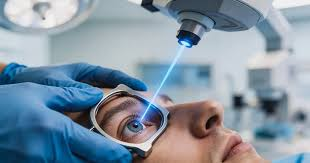
Retina Laser Treatment: Who Needs It, Procedure and Recovery
For individuals seeking advanced retina laser treatment in Gachibowli, Hyderabad, understanding the procedure, recovery process, and conditions it treats is essential. Retinal laser treatment has transformed the care of many eye conditions over the last few decades. Carefully targeted beams of light can seal retinal tears, reduce fluid in macular oedema, stop bleeding in diabetic retinopathy, and manage many other conditions. For many patients, a short laser session replaces what used to require major surgery or led to irreversible vision loss.
This guide walks you through who needs retina laser treatment, how it is performed, and what recovery involves.
In one line: Retina laser treatment uses targeted laser energy to seal retinal tears, treat ischaemia, reduce macular oedema, and address other retinal conditions, and it is usually performed as a quick outpatient procedure with a short recovery period.
What Is Retina Laser Treatment?
Retina laser treatment, or retinal laser photocoagulation, uses focused laser light to heat a small, precise part of the retina. The heat creates a controlled scar that:
Seals weak or torn areas
Stops leaking vessels
Destroys unhealthy tissue
Reduces abnormal new vessel growth
Creates barriers to block detachment
Different types of retinal lasers are used depending on the condition.
Who Needs Retina Laser Treatment?
1. Retinal tears
Small tears are sealed with a ring of laser burns (barrage laser).
2. Lattice degeneration
Weak retinal areas in high myopia are reinforced with laser.
3. Diabetic retinopathy
Pan-retinal photocoagulation (PRP) treats widespread retinal ischaemia in proliferative diabetic retinopathy; focal laser treats diabetic macular oedema.
4. Retinal vein occlusion
Laser for macular oedema or ischaemic complications.
5. Central serous chorioretinopathy
Focal laser in selected cases.
6. Retinal detachment surgery follow-up
Laser to secure repaired areas.
7. After intraocular surgery
Laser for prophylaxis in selected retinal lesions.
8. Macroaneurysms
Sealing bleeding vessels.
9. Retinal angiomas and certain tumours
Selective laser care.
10. High-risk eyes with fellow-eye history
Preventive laser after detachment in the other eye.
Supportive retinal diseases care pathways often combine laser with injections, surgery, and systemic management.
Is 70 Too Old for Retinal Laser?
No. Age alone is not a barrier to retinal laser treatment. Many patients in their 70s and 80s undergo retinal laser safely. What matters more is:
Overall health
Control of systemic conditions like diabetes and hypertension
Eye media clarity
Ability to sit still for the procedure
Ability to follow post-operative instructions
An eye specialist at an eye hospital evaluates the risks and benefits for each patient.
How Is Retina Laser Treatment Performed?
Pre-procedure
Dilating drops
Numbing drops
Detailed fundus examination
Sometimes fluorescein angiography
OCT imaging
Procedure
Patient sits at a slit-lamp-mounted laser
A small contact lens is placed on the eye with numbing drops
Laser shots are fired precisely on the retina
Patient sees bright flashes
May feel mild pricking or warmth
Each laser shot lasts a fraction of a second
Total procedure: 10-30 minutes depending on area covered
Done as outpatient, no hospital stay required
Types of laser
Argon laser: traditional workhorse
Green laser: common choice for most retinal conditions
Yellow laser: lower energy, less damage to inner retina
Diode laser: deeper tissue effect
PASCAL (patterned scanning laser): quick delivery of multiple shots
Micropulse laser: reduced heat, selective treatment
Navigated laser: imaging-guided precision
Recovery After Retina Laser
Immediate
Eye may feel gritty
Vision blurry for a few hours due to dilation and laser flashes
Some patients describe a mild dull ache
Glare from the procedure lights
Day 1
Rest the eyes
Sunglasses outdoors
Use prescribed drops
Avoid driving until vision settles
Avoid heavy lifting or strenuous activity
Week 1-4
Follow-up visits
Reduced activity restrictions over time
Prescribed drops tapered
Return to work and routine activities
Longer term
Final stabilisation of vision depending on condition
Some patients may need repeat sessions
Scars formed are permanent, but usually do not affect central vision
Peripheral vision may have small blind spots matching laser scars
How Long Does It Take to Recover From Retinal Laser?
Most everyday comfort returns within 1-3 days
Vision clarity typically stabilises over 1-2 weeks
Diabetic macular oedema may take weeks to reduce on OCT
Retinal tear laser scar formation: 2-3 weeks
Major PRP sessions may cause temporary peripheral field reduction
Individual recovery varies
What Can You Not Do After Retinal Laser?
Rub or press the treated eye
Swim for at least 1-2 weeks
Do strenuous exercise for 1-2 weeks
Heavy weightlifting for 2-4 weeks
Drive until vision and comfort are back
Contact sports for at least 4 weeks
Ignore new floaters, flashes, or shadows
Supportive eye treatments including lubricating drops and prescribed anti-inflammatory drops help during recovery.
Can You Walk for an Hour the Day After Retinal Tear Laser Repair?
Generally yes, short walks are fine from day 1 after a typical retinal tear laser session. Avoid vigorous exercise, jumping, or heavy lifting. A leisurely walk of up to an hour in comfortable weather is acceptable for most patients. If your specific case involved additional procedures, follow your surgeon’s specific advice.
Side Effects of Retinal Laser
Temporary blurred vision
Mild eye ache
Small permanent peripheral blind spots matching laser scars
Reduced night vision after extensive PRP
Rarely, temporary macular oedema
Reduced contrast sensitivity after heavy PRP
Mild colour vision changes in some patients
Rare risk of bleeding or retinal damage
Most side effects are mild and manageable.
Retinal Laser and Systemic Disease
Diabetes
Tight glucose control supports outcomes
Coordinated care with a physician
Regular fundus checks
Hypertension
Blood pressure management
Prompt retinal review if changes appear
Anticoagulant users
Continue as advised by physician
Coordinate laser timing with overall medical plan
Immunocompromised patients
Careful infection prevention
Regular monitoring
Repeat Laser Sessions
Some conditions need more than one session:
Large PRP often split over 2-4 sittings
Persistent macular oedema may need additional focal laser
Recurrent peripheral tears in high myopia
Progression of diabetic retinopathy
Supportive retinal laser photocoagulation programmes plan sessions carefully.
Preparing for Retinal Laser
Arrange transport home
Bring dark sunglasses
Plan for short screen use
Take regular medicines
Eat light meals before the procedure
Inform the doctor of any new symptoms
Review follow-up schedule
Ask all questions before the day
Follow-up After Retinal Laser
Typically at 1 week and 4-6 weeks
Earlier for complex cases
OCT and fundus imaging to track changes
Adjustment of drops
Planning of further sessions if needed
Systemic review with the physician
When Should You See a Doctor?
Urgent review if you notice:
Sudden vision loss
Many new floaters
Flashes of light not there before
A curtain-like shadow in vision
Severe pain after laser
Eye discharge
Routine review for:
Continued monitoring after PRP
Scheduled follow-ups after retinal tear laser
Systemic diabetic eye screening
Specific retinal disease treatment plans
Retina Laser Care at Vasan Eye Care
Vasan Eye Care has been looking after patients across India since 2002, now as part of ASG Enterprises. With more than 150 super-speciality centres, 500+ ophthalmologists, and over 5,000 trained eye care staff, the team performs retinal laser treatment daily. A typical pathway includes a detailed retinal examination, imaging, the laser procedure, and structured follow-up.
Key Takeaways
Retinal laser treatment uses targeted light to seal, treat, or stabilise retinal conditions.
Common uses include retinal tears, diabetic retinopathy, vein occlusion, and others.
It is an outpatient procedure, usually 10-30 minutes, with a short recovery.
Age alone is not a barrier; overall health and cooperation matter more.
Activity restrictions are usually short (1-4 weeks depending on procedure).
Follow-up is essential for tracking response and planning further sessions.
For patients in Gachibowli, Hyderabad, timely diagnosis and access to expert retina laser treatment can help preserve vision and prevent complications. If you experience retinal symptoms or have been advised to undergo laser treatment, consult a qualified eye specialist for personalised guidance and long-term retinal care.