

 ₹https://clinic.vasaneye.com/hospital-locator/-in-hyderabad/-in-as-rao-nagar/vasan-eye-care-hospital-in-as-rao-nagar-hyderabad--2BoOkW/articles/secondary-iol-implant-surgery-in-india-risks-benefits-and-what-patients-should-know--305f137f-ebb1-4c21-9e87-662f9c1073e7
Vasan Eye Care Hospital, AS Rao Nagar, hyderabad
First Floor, Kapra, Sainik Puri, Main Road, Above Ushodaya, AS Rao Nagar, hyderabad, telangana - 500062
Request A Call Back
Vasan Eye Care Hospital Social Feeds in AS Rao Nagar, hyderabad
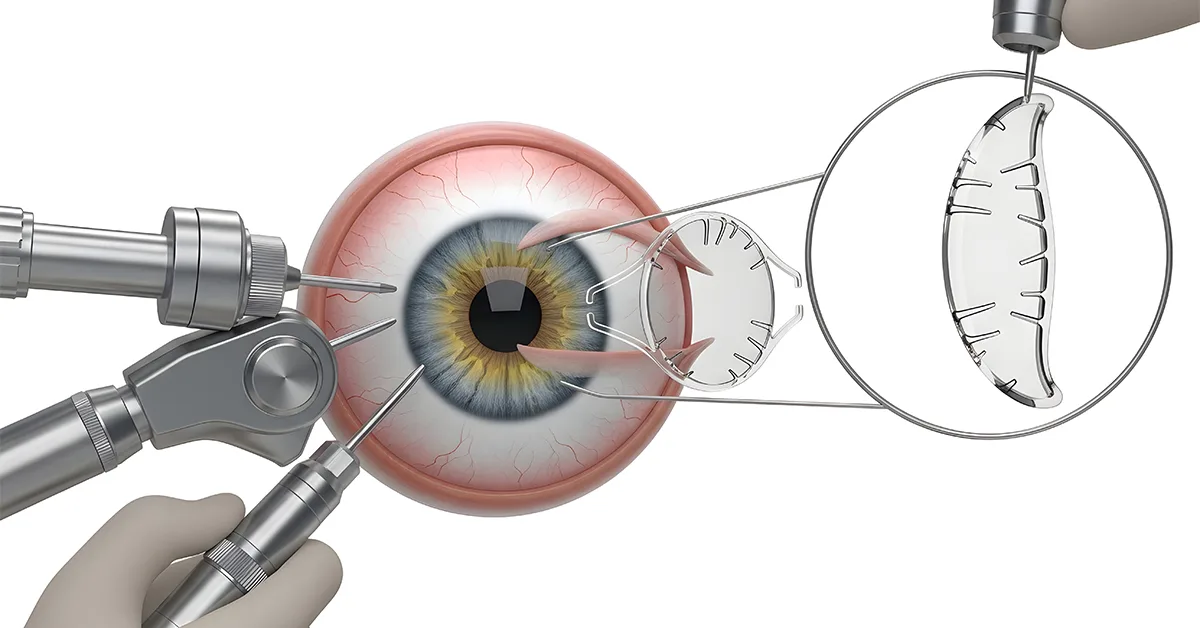
Secondary IOL Implant Surgery in India: Risks, Benefits and What Patients Should Know
Secondary lens procedures usually come up after something hasn’t gone as planned the first time. In some cases, an IOL implant wasn’t placed during cataract surgery. In others, the lens may have shifted over time, affecting vision.
By the time this discussion happens, patients in AS Rao Nagar, hyderabad have often already experienced one eye procedure. So the questions tend to be more direct, less about “what is this?” and more about “what happens next?”
What Is Secondary IOL Implant Surgery?
A secondary IOL implant surgery refers to placing or repositioning an artificial lens after the initial cataract surgery.
This is usually considered when:
The natural lens was removed but no artificial lens was placed
The earlier lens has moved out of position
The support structure inside the eye is weak
Unlike routine cataract procedures, these cases need a more customised surgical approach. The lens may be fixed in a different part of the eye depending on what support structures are available.
A question that often comes up is: Why wasn’t everything done in the first surgery itself? Sometimes the eye conditions during the original surgery do not allow safe lens placement at that stage.
Why Patients End Up Needing a Second Implant
Not every cataract surgery leads to this situation. But when it does, it’s usually because of lens stability or positioning issues.
Some patients notice that vision feels uneven or keeps shifting. Others may not have received a lens at all and continue depending on very thick glasses.
There’s also a moment many patients describe, they expected vision to settle after the first surgery, but something still feels off. That’s often when secondary IOL implant surgery enters the discussion.
Benefits of Secondary IOL Implant Eye Procedures
A properly planned IOL implant eye procedure can bring significant improvement in daily vision and comfort.
Some expected benefits include:
Better visual clarity
Reduced dependence on high-power glasses
More stable focus during daily activities
Improved visual comfort overall
A common question often asked in clinics is: Will this completely restore normal vision? In many cases, vision improves substantially, but the final outcome still depends on the overall health of the eye, especially the retina and cornea.
Possible IOL Implant Complications
Like any surgical procedure, IOL implant complications are part of the discussion and should be understood clearly before surgery.
Possible complications may include:
Slight lens tilt or displacement
Temporary rise in eye pressure
Inflammation during healing
Rare retinal complications
What surprises many patients is that this procedure can sometimes be more technically detailed than the original cataract surgery. That does not necessarily mean poor outcomes, it simply means more surgical planning is involved.
Another concern patients often raise is: Is this riskier than my earlier surgery? It can be more technically demanding, but outcomes are usually stable when performed by experienced surgeons in specialised centres.
How Doctors Decide the Type of IOL Implant Surgery
The exact approach for IOL implant surgery depends on which structures inside the eye remain healthy and stable.
Doctors usually evaluate:
Whether the capsular bag is still usable
Corneal health
Depth of the anterior chamber
Overall retinal condition
Based on these findings, the lens may be:
Positioned in front of the iris
Attached to the iris
Fixed to the sclera
In real consultations, patients often realise there isn’t one standard method. Every eye requires an individual surgical plan.
What Recovery Feels Like After Surgery
Recovery after secondary lens implantation is usually slightly slower than standard cataract surgery, but still manageable for most patients.
Patients may notice:
Mild irritation for a few days
Gradual clearing of vision
Temporary sensitivity to light
Follow-up visits help monitor healing and adjust medications if required.
A practical question patients often ask is: How soon can I return to work? In many cases, normal activities can resume within a few days, although recovery varies from person to person.
Choosing the Right Eye Specialist Hospital
Procedures like secondary IOL implant surgery are usually performed at centres experienced in managing complex cataract and lens-related conditions.
Most eye specialist hospitals use advanced imaging systems and customised surgical planning to improve safety and outcomes.
Patients undergoing evaluation at eye care centres are typically assessed in detail before deciding on surgery. This helps identify the safest and most suitable approach for each individual eye.
There’s also a noticeable shift in patient confidence once the treatment plan is clearly explained. Understanding the process often reduces anxiety more effectively than anything else.
Final Thoughts
For patients in AS Rao Nagar, hyderabad, secondary IOL implant surgery in India can offer meaningful visual improvement when previous lens placement issues affect daily life.
While these procedures may be more specialised than routine cataract surgery, careful planning, proper evaluation, and experienced surgical care often lead to stable and satisfying outcomes. Early consultation and timely assessment remain important whenever vision feels unstable after previous cataract procedures.