

 ₹https://clinic.vasaneye.com/hospital-locator/bengaluru/banaswadi/vasan-eye-hospital-in-banaswadi-bengaluru--3aZIMK/articles/what-is-keratoconus-causes-symptoms-and-why-early---a39ad83c-8cad-4444-805a-dc2795d7f0ee
Vasan Eye Hospital, Banaswadi, bengaluru
Building No 205/4C, HRBR Layout, CMR Main Road, Nearby Hennur Depot, Banaswadi, bengaluru, karnataka - 560043
Request A Call Back
Vasan Eye Hospital Social Feeds in Banaswadi, bengaluru
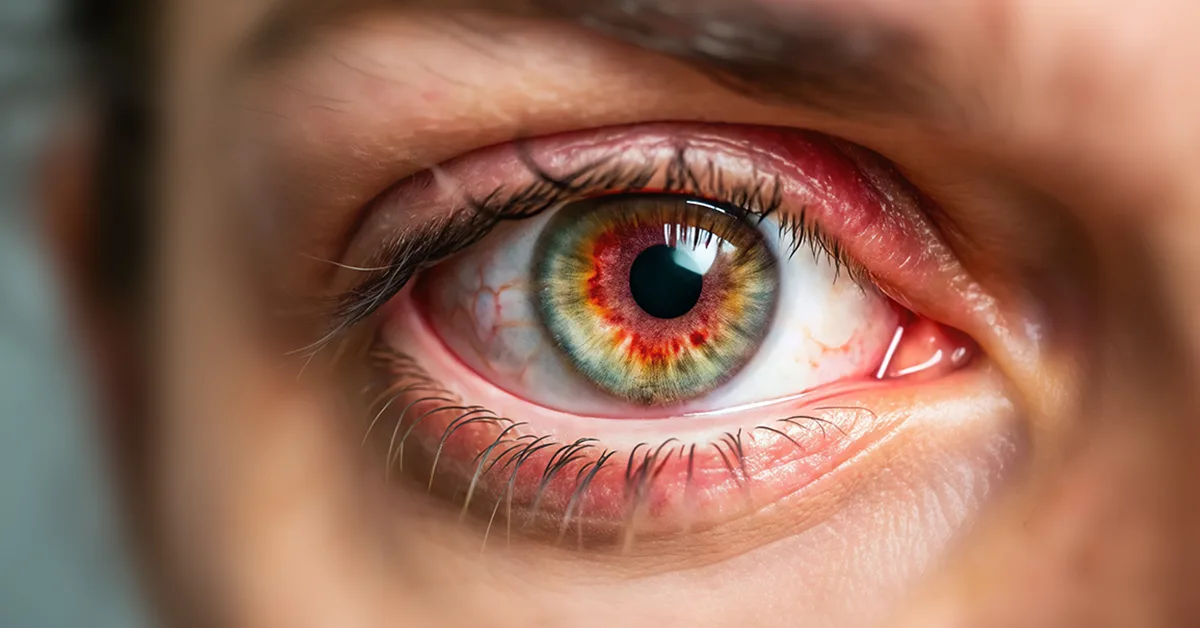
What Is Keratoconus? Causes, Symptoms and Why Early Detection Matters
Vision doesn’t always blur in a simple, predictable way. Some people notice their glasses power changing too often. Others complain that headlights at night look scattered or stretched. In a few of these situations, the underlying issue may be a keratoconus eye condition. Patients across Banaswadi, bengaluru are increasingly being diagnosed with keratoconus during routine eye evaluations, especially when frequent power changes become difficult to explain.
Keratoconus affects the cornea, the clear, dome-shaped surface at the front of the eye. Instead of staying evenly curved, the cornea gradually thins and bulges forward. That uneven shape changes how light enters, which leads to distorted vision.
How Keratoconus Usually Begins
This condition often starts in the teenage years or early adulthood. It doesn’t happen overnight. Vision tends to shift slowly, sometimes in ways that feel confusing.
Many patients describe it as “my glasses don’t seem right anymore,” even after a recent change. That’s often one of the early keratoconus signs.
Doctors confirm it using corneal topography. This test maps the curvature of the cornea and shows irregular patterns that aren’t visible in a routine check.
A common question that comes up is: Why does my number keep increasing even when I’m careful with screen time? Because the issue here isn’t just strain, it’s structural.
Keratoconus Causes: Why It Happens
The exact keratoconus causes are still not fully understood, but a few patterns show up consistently.
These include:
Family history
Frequent or forceful eye rubbing
Long-standing eye allergies
Certain connective tissue conditions
In many cases, it’s not one single reason. It tends to be a mix.
There’s also a thought many patients have: Did I make this worse by rubbing my eyes? Eye rubbing doesn’t always cause keratoconus, but it can speed up progression if the cornea is already weak.
Keratoconus Symptoms That Are Easy to Miss
Early keratoconus symptoms can be subtle, which is why people often ignore them at first.
Some common ones include:
Blurred or stretched vision
Sensitivity to bright lights
Trouble seeing clearly at night
Frequent change in prescription
As it progresses, vision may start to look doubled or shadowed.
There’s a pattern that comes up quite often, people keep updating their glasses but never feel fully satisfied with the clarity. That’s usually when further tests are suggested.
Why Early Detection Makes a Real Difference
Timing plays a bigger role than most people expect. When keratoconus is picked up early, progression can often be slowed.
Corneal collagen cross-linking is one of the main approaches used in keratoconus treatment. It strengthens the cornea and helps maintain its shape.
Patients often ask, “Can I wait if I can still see with glasses?” Waiting can make the cornea thinner, which may limit your options later.
Finding out about a problem early on not only helps with eye treatment, but it also helps avoid more complicated procedures later on.
Keratoconus Treatment Options at Different Stages
Not everyone gets the same treatment. It depends on how bad the condition is.
In early stages:
Glasses or soft lenses may be enough
In moderate stages:
Rigid or scleral lenses help improve vision
If progression is seen:
Cross-linking is considered
In advanced stages:
Keratoconus surgery, such as corneal transplant, may be discussed
Each stage has its own approach, which is why regular follow-ups matter.
When Surgery Comes Into the Picture
Not everyone with keratoconus needs surgery. But in some cases, the cornea becomes too thin or scarred to support other treatments.
That’s when keratoconus surgery may be considered. A corneal transplant puts donor tissue in place of the damaged tissue.
People often ask, “Will surgery fix everything?” It can make your vision a lot better, but some people may still need glasses or contacts afterward.
How Keratoconus Differs From Other Eye Conditions
People sometimes mistake keratoconus for other problems with the cornea. For example, corneal ulcer treatment deals with infections that cause redness, pain, and discharge.
Keratoconus usually doesn’t cause pain. It develops quietly and shows up mainly as visual distortion.
This difference matters because the treatments are completely different. One needs medication, while the other focuses on strengthening or reshaping the cornea.
Why Regular Eye Checks Matter
Regular eye exams can help find early signs of keratoconus, especially in people whose power changes often.
Corneal topography and other tests can find small changes even before symptoms show up.
Patients at Vasan Eye Care who need to change their prescriptions a lot are often told to get more than just a basic vision test. That’s usually where people first find out they have keratoconus.
There’s a noticeable shift once people understand what’s happening. Instead of repeatedly changing glasses, they begin focusing on stabilising the condition.
For individuals in Banaswadi, bengaluru, early diagnosis and timely follow-up with an experienced eye specialist can help slow progression and preserve long-term vision quality. Regular eye checkups remain one of the most effective ways to detect keratoconus symptoms before they significantly affect daily life.